
Safe and Supportive Counseling for the Queer Community

You Deserve to Feel Seen, Heard, and Understood– The Very Definition of Affirming Therapy
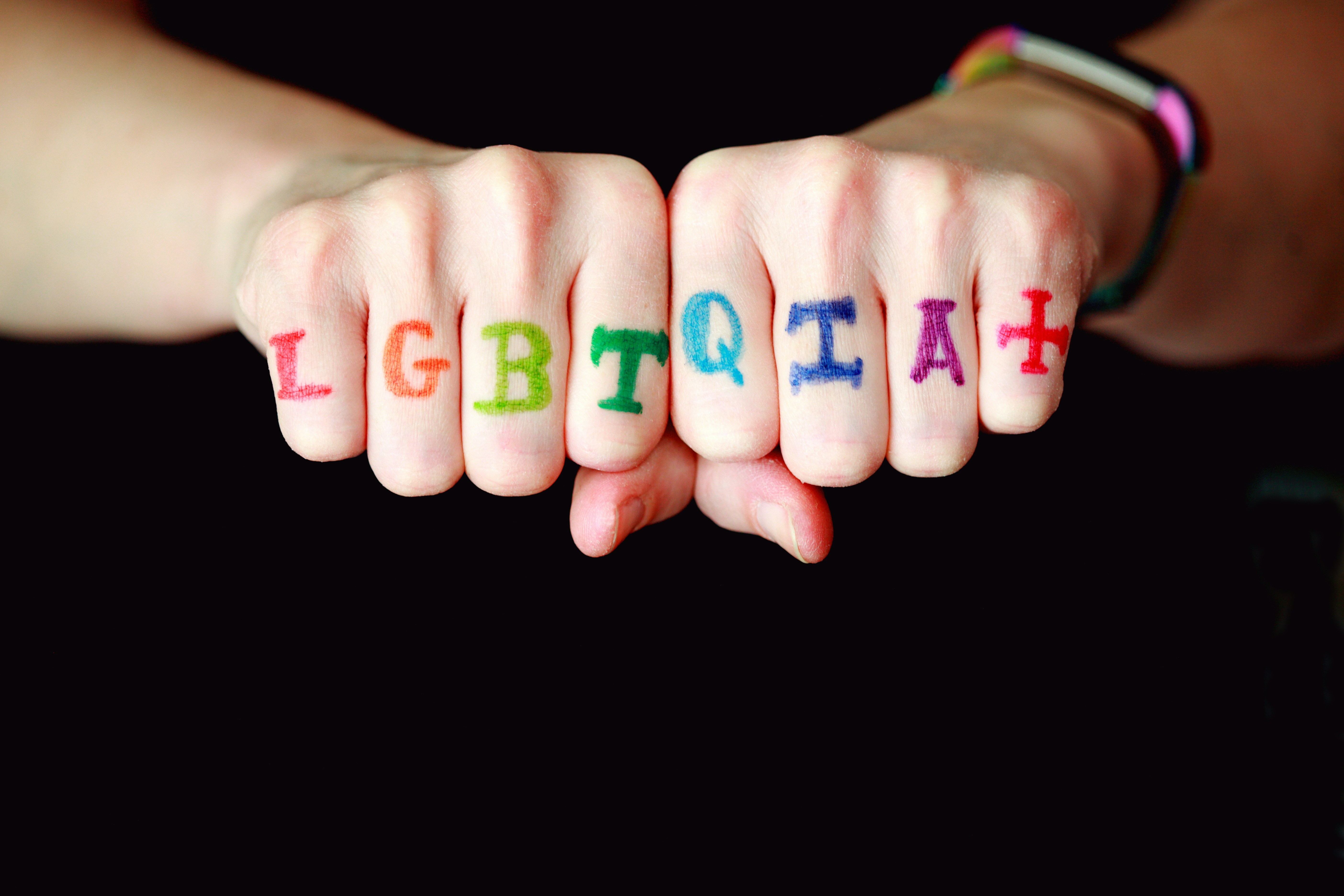
Being LGBTQIA+ can come with challenges that others might not understand. Whether you’re figuring out your identity, dealing with family issues, feeling anxious or sad, or healing from tough experiences, you deserve a therapist who will support and respect you. I am an ally and provide LGBTQIA+ affirming therapy for teens and young adults.
My office is a safe and welcoming place where you can be yourself. I am committed to helping you feel comfortable, supported, and confident on your journey to healing.

How Affirming Therapy Can Help LGBTQIA+ Teens
Many queer teens and young adults face different struggles, but those struggles don’t come from being who you are. They often come from things like discrimination, not feeling accepted, or not being understood. Therapy can help you with:
✅ Anxiety, sadness, stress, or feeling numb – Learn ways to manage those feelings.
✅ Healing from past hurt – Move past tough experiences like bullying or rejection.
✅ Exploring your identity, values and beliefs- Discover what is important to you and aligning those values with who you are.
✅ Family or relationship challenges – Improve your communication and learn how to set and keep boundaries.
✅ Building self-esteem and confidence – Learning to love and accept yourself.
I use therapy methods like Somatic Experiencing, Brainspotting, and trauma-informed care to help you feel more in control of your emotions and live a fulfilled life being true to yourself.

Understanding LGBTQIA+ Mental Health
It’s Not You; It’s the World Around You
Let’s get this straight- being queer doesn’t cause mental health struggles. The real challenges often come from things like discrimination, lack of acceptance, and isolation. These external pressures can make things more difficult, but they do not define who you are. LGBTQIA+ affirming therapy can help you manage these challenges and support your journey to healing and self-acceptance.
These experiences can lead to:
❌ Feeling ashamed or guilty – Thinking you need to change who you are.
❌ Feeling on edge or worried – Constantly being afraid of rejection or being unsafe.
❌ Feeling lonely – Not feeling connected to others or even your family.
❌ Feeling sad or not good enough – Struggling with self-doubt.
Therapy is here to help you deal with these feelings and work toward becoming stronger, more confident, and proud of who you are.
Being LGBTQIA+ doesn’t mean you have mental health struggles. It’s the things that happen around you—like unfair treatment, bullying, or not being accepted—that can cause stress.

Common Myths About Queer Mental Health
There are a lot of wrong ideas about LGBTQIA+ mental health. Let’s clear up a few myths:
❌ “Being LGBTQIA+ causes mental health problems.”
✅ Truth: Let me reinforce this point again. Being queer doesn’t cause mental health challenges. The struggles come from things like discrimination, being mistreated or not being supported—not from being yourself.
❌ “You have to be out to get therapy.”
✅ Truth: Therapy is a place where you can explore who you are, whether you’re out, still figuring things out, or not ready to share everything yet.
❌ “Therapy for queer people only focuses on identity.”
✅ Truth: While exploring identity is part of therapy, we can also talk about many other things—like anxiety, relationships, and any tough experiences you’ve had.
❌ “You should only see an LGBTQIA+ therapist.”
✅ Truth: This is definitely a personal choice. There is something to be said about having a therapist that has shared life experiences. However, even though you do have similar experiences with a queer therapist, you just might not connect. What I have to offer you is someone who is understanding and supportive of your identity. I’m here as an ally to help.
What You Can Expect in LGBTQIA+ Affirming Therapy

A Safe Space to Be Yourself
In therapy with me, you will always find:
💙 A place where you’re respected
💙 Support with challenges like feeling numb, anxious or sad
💙 Help with healing from painful experiences
💙 A way to learn more about yourself and feel good about who you are and what is important to you
Do I have to come out if I am in therapy?
No! Therapy is a safe space for you to explore who you are. Whether you’re out, still figuring things out, or keeping things private, I’m here to help.
What if my family doesn’t support me?
Many LGBTQIA+ teens and young adults face family issues. Therapy can help you process these feelings, learn to set boundaries, and find other supportive people in their life.
Will you respect my pronouns and identity?
Absolutely! Your identity and pronouns will always be respected. Mine are she/her.
What if I am nervous about starting therapy?
It’s normal to feel nervous! Our first session will be about getting to know each other and helping you feel more comfortable. You are in control of your therapy journey.
Do you offer virtual therapy?
Yes! I offer both in-person and telehealth therapy so you can choose what works best for you.
Can therapy help with gender dysphoria?
Yes! Therapy can support you in processing gender dysphoria, exploring your identity, and finding ways to care for yourself.
Do you have to tell my family what we talk about?
We will cover confidentiality in more detail at the first session, but the short answer is, no. I only have to tell your family if I feel you are at risk to harm yourself.
How do I get started?
It’s easy! Just contact me to schedule a free 15 minute consultation and see if we are a good fit for each other.
